
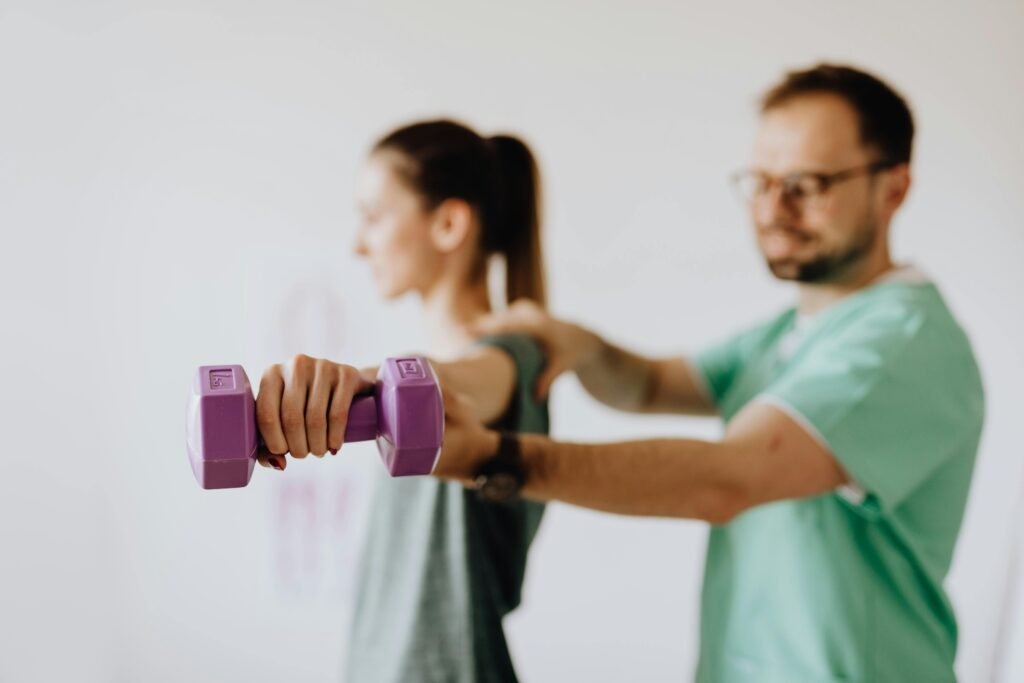
If you’ve been referred to an Accredited Exercise Physiologist (AEP), or you’re simply wondering how one might help you, you’re not alone — it’s one of the most misunderstood roles in Australian allied health. Here’s a plain-English guide to what an AEP actually does, and how it differs from a personal trainer or physiotherapist.
What Is an Accredited Exercise Physiologist?
An Accredited Exercise Physiologist is a university-qualified allied health professional, accredited with Exercise & Sports Science Australia (ESSA). AEPs complete a minimum four-year degree and are trained to prescribe, deliver and adapt exercise as a clinical treatment — not just a fitness activity.
What Does an AEP Actually Do?
Day to day, an AEP’s work usually includes:
- Assessing your health history, movement, strength and function
- Designing an individualised exercise program based on your goals and any medical conditions
- Delivering and progressing sessions safely, adapting as your needs change
- Working alongside your GP, specialist or other allied health providers
- Supporting chronic disease management, injury rehabilitation, disability, and healthy ageing
How Is an AEP Different From a Personal Trainer or Physiotherapist?
Personal trainers focus on general fitness for healthy individuals and aren’t trained to manage medical conditions. Physiotherapists often lead the early, hands-on stages of injury recovery. AEPs sit alongside both — using clinical reasoning and evidence-based exercise prescription to manage chronic disease, support rehabilitation after physio discharge, and help people with complex or ongoing health needs build strength, function and independence over time.
Who Can Benefit From Seeing an AEP?
AEPs work across the full health spectrum, including people who are:
- Living with a chronic condition such as type 2 diabetes, cardiovascular disease or osteoarthritis
- Recovering from a workplace or other injury
- NDIS participants building strength, mobility or independence
- DVA card holders wanting support with health and rehabilitation
- Older adults wanting to reduce their risk of falls
- Generally healthy and simply after a safe, structured exercise program
Getting Started
You don’t need a referral to see an AEP, although one from your GP can help coordinate your care (and may be required for a Medicare rebate under a Chronic Disease Management Plan). If you’re unsure whether exercise physiology is the right fit for your situation, get in touch and we can talk it through.
Ready to find out how exercise physiology could help you? Call 0450 211 002 or get in touch to book an initial appointment.