
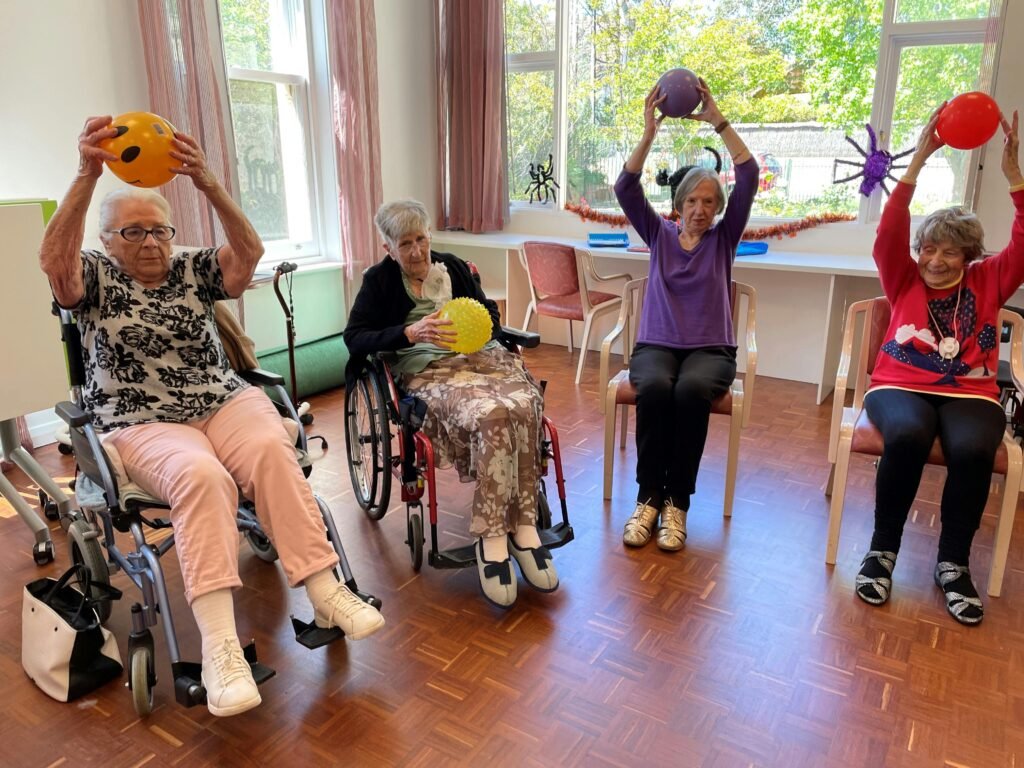
If you’re an NDIS participant working towards greater independence, strength, or confidence in daily life, an Accredited Exercise Physiologist (AEP) might be one of the most valuable, and most overlooked, allied health providers on your team. At Exercise Therapy QLD, we work with NDIS participants across a wide range of disability types, using exercise as a structured, goal-focused therapy rather than a generic fitness program.
What Does an Exercise Physiologist Do Under the NDIS?
Exercise physiology is a Medicare- and NDIS-recognised allied health service. As AEPs, we design and deliver exercise-based interventions for people with chronic conditions, disabilities, and injuries, with a focus on improving function, capacity, and quality of life. Under the NDIS, this typically sits within Capacity Building supports, helping you build skills and independence over time, rather than simply providing a service in the moment.
How Exercise Physiology Can Support Your Goals
Every program is built around your individual NDIS plan and functional goals. Depending on your needs, exercise physiology can help with:
- Strength, balance and mobility — particularly important for participants at risk of falls or functional decline
- Physical activity and fitness — tailored programs for complex or multiple presentations, including physical, intellectual, and psychosocial disability
- Behaviour support — structured, predictable exercise routines that can support emotional regulation and daily structure
- Community and social participation — building confidence to take part in group activities or community-based exercise
- Chronic disease management — supporting participants who are also managing conditions like diabetes, cardiovascular disease, or musculoskeletal pain alongside their disability
What to Expect From Your Sessions
Your first session starts with a thorough assessment of your current function, health history, and goals from your NDIS plan. From there, we design a program that’s realistic, progressive, and reviewed regularly. We offer flexible delivery to suit what works for you: 1:1 sessions, home visits, gym-based sessions, or on-site support within Supported Independent Living (SIL) settings. Group sessions are also available where appropriate.
We provide plain-English progress reports at agreed intervals, formatted to support plan reviews, so your Support Coordinator, LAC, or plan manager always has a clear picture of your progress.
Funding and Getting Started
Exercise physiology is typically funded through the Capacity Building — Daily Activity or Improved Health and Wellbeing support categories, and we work with both plan-managed and self-managed participants. No formal referral or paperwork is needed to make an initial enquiry; a quick phone call or email is enough to find out whether exercise physiology is a good fit for your plan and goals.
If you have complex medical needs, we may liaise with your GP or specialist to make sure your program is safe and appropriate. This is standard practice and something we’re always happy to coordinate on your behalf.
If you’d like to find out whether exercise physiology could help you build capacity and independence, get in touch with our team or ask your Support Coordinator to make a referral.